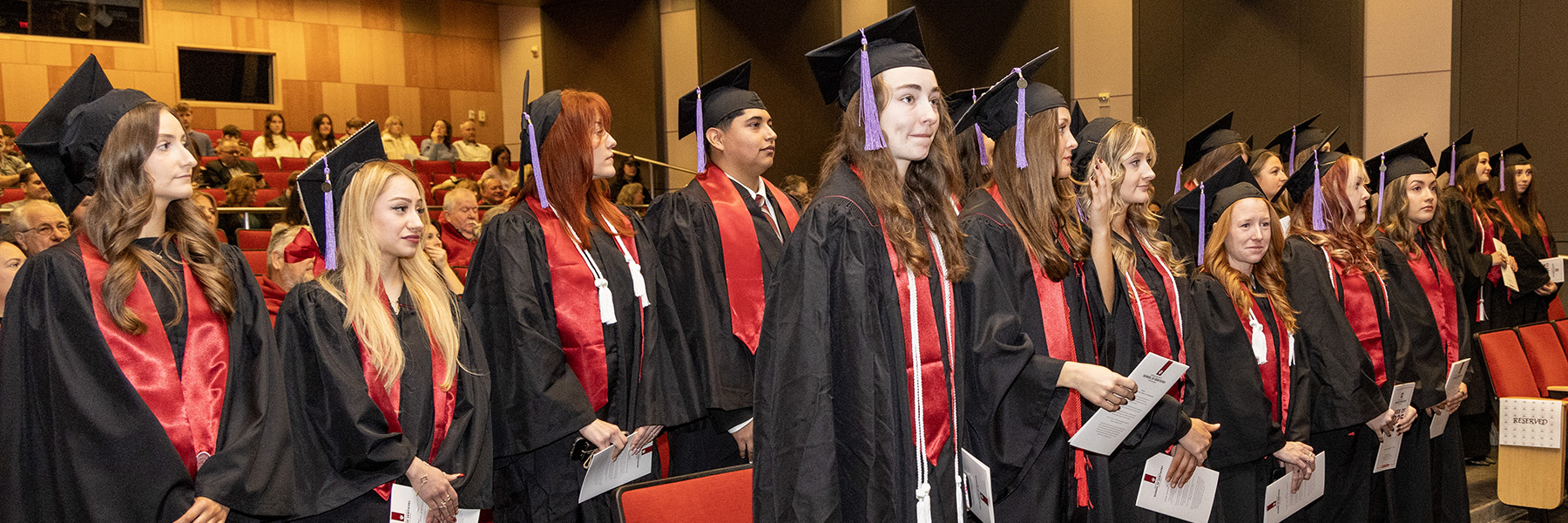
Bachelor of Science in Dental Hygiene

Become a licensed dental hygienist

Prepare for a rewarding career in a fast-growing, high-demand field by earning a Bachelor of Science in Dental Hygiene (B.S.D.H.) degree at the Indiana University School of Dentistry on the IU Indianapolis campus.

Upon graduation, you will be eligible to take the national and state licensing exams required to become a licensed dental hygienist—a valued member of the oral health care team who cares for and educates patients in a variety of settings, including private dental practices, hospitals, public health agencies, and community health organizations.

A dental hygienist is a licensed oral health professional who specializes in preventive dental care. Their primary role is to help patients maintain healthy teeth and gums through services such as dental cleanings, periodontal therapy, application of fluoride and sealants, and taking diagnostic radiographs. They also play an important role in patient education, teaching individuals how to improve daily oral hygiene habits and reduce the risk of dental disease. Working collaboratively with dentists and other healthcare providers, dental hygienists blend clinical skills with communication and critical thinking to promote overall health and wellness.

The career path of a dental hygienist begins with completing an accredited dental hygiene program, typically earning an associate or bachelor’s degree, followed by passing national and state licensing exams. Most hygienists start their careers in private dental practices, where they provide preventive and therapeutic care to patients. Employment opportunities extend beyond traditional offices, with hygienists working in specialty practices such as periodontics, pediatrics, as well as in community health centers, schools, hospitals, long-term care facilities, and public health programs. With advanced education, they may also pursue roles in higher education, research, corporate industry, or administration. Presently, employment opportunities for dental hygienists are strong and in high demand due to workforce shortages, increased awareness of the connection between oral and overall health, and the growing need for preventive services. This wide range of opportunities allows hygienists to build stable, flexible, and rewarding careers.

IUSD Indianapolis has the first dental hygiene program in Indiana, established in 1950. The Bachelor of Science in Dental Hygiene program is fully accredited by the Commission on Dental Accreditation (CODA). The program is thorough and has a flexible curriculum which is completed in about 3. 5 years of full-time instruction. It includes prerequisite coursework, core professional studies, and a specialization track in either Public Health, Health Care Administration or Education. Students have many chances to work directly with patients under supervision the school’s pediatric, orthodontic and periodontics clinics improving both technical and interpersonal skills. Students also have external rotations through Riley Children’s Hospital and Indy Health Net, giving exposure to diverse patient populations and real public health challenges. IUSD invests in quality faculty and modern facilities. With newer labs, updated equipment, and interprofessional learning, students are better prepared for current clinical environments. The Global Service-Learning Program allows students to gain hands-on experience in different healthcare settings including underserved communities both locally and internationally. Being part of IU’s School of Dentistry means you join a large, well-connect institution. This can open doors for mentoring, job placements, and collaborations.

Discipline specific competencies

The dental hygiene competencies are the continuation of the allied dental core competencies, and both should be viewed as a single framework for this discipline. Dental hygienists are oral health professionals who specialize in the identification, prevention and management of oral diseases. Dental hygienists provide evidence-based, person-centered care through assessment, diagnosis, planning, implementation, evaluation and documentation. They practice in collaboration with dental and other professionals in a variety of settings to recognize the oral-systemic connection for improvement of oral health, general health and well-being of individuals, communities and populations.

  1. Apply the knowledge of the following sciences during the dental hygiene process of care:
    1. Microbiology
    2. Human anatomy and physiology
    3. Chemistry
    4. Biochemistry
    5. Immunology and pathology
    6. Nutrition
    7. Pharmacokinetics
  2. Apply the knowledge of the following behavioral sciences during the dental hygiene process of care:
    1. Sociology
    2. Psychology
    3. Interpersonal communication
  3.  

  1. Assessment
    1. Accurately collect and document a comprehensive medical, dental, social health history and diagnostic data.
    2. Critically analyze all collected data.
    3. Identify predisposing, etiologic, environmental and social risk factors for person- centered care.
  2. Dental Hygiene Diagnosis
    1. Analyze comprehensive medical, dental and social health history.
    2. Integrate observational and diagnostic data as part of the dental hygiene diagnosis.
    3. Use predisposing, etiologic, environmental and social risk factors for person-centered care.
  3. Planning
    1. Use the patient’s assessment to establish an optimal and realistic, person-centered dental hygiene care plan through mutual communication.
    2. Use all aspects of the dental hygiene diagnosis in combination with the person’s values, beliefs and preferences to develop a dental hygiene care plan through shared decision- making.
  4. Implementation
    1. Obtain informed consent based on the agreed-upon treatment plan.
    2. Execute individualized treatment based on the patient’s dental hygiene diagnosis.
    3. Integrate educational, preventive and therapeutic services to provide comprehensive person-centered care.
    4. Use specialized skills and evidenced-based technology to promote dental and periodontal health.
    5. Continuously re-evaluate for modifications to achieve desired outcomes.
  5. Evaluation and Documentation
    1. Evaluate the effectiveness of completed services.
    2. Analyze treatment outcomes of the dental hygiene process of care to determine improved health and modifications.
    3. Modify dental hygiene care plans as necessary to meet goals of patient and clinician.
    4. Identify necessary referrals for success of the treatment outcomes, including intraprofessional and interprofessional health care providers, supporting professions and patient advocates.
    5. Accurately document assessment findings and data, dental hygiene diagnosis and care plan, implementation, outcome evaluation and any communication between professionals and patient and anyone else in the circle of care.
  6.  

How to apply

You must be admitted to IU Indianapolis before you can apply to the B.S.D.H. program. If you are not a current IU Indianapolis student, you will apply for admission through the IU Indianapolis Office of Admissions.

After you have been admitted to IU Indianapolis, you will apply to the B.S.D.H. program through the American Dental Education Association’s Dental Hygiene Centralized Application Service (DHCAS).

Learn more about the application process

Financial aid

As a dental hygiene student, you have a number of financial aid options, including scholarships, grants, loans, and Federal Work-Study awards.

Explore financial aid options